

Availability: 145
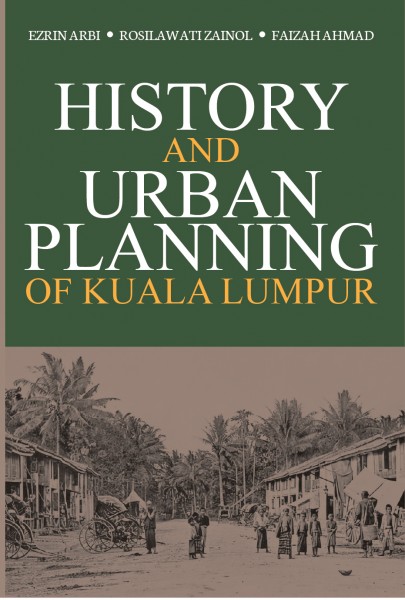
Embark on a captivating journey through Kuala Lumpur, Malaysia's dynamic capital, from its humble beginnings as a tin-mining outpost in 1857 to its aspirations of becoming a "World Class City" in the 21st century. In "History and Urban Planning of Kuala Lumpur," authors Ezrin Arbi, Rosilawati Zainol, and Faizah Ahmad meticulously trace the city's formative years under Raja Abdullah and Yap Ah Loy, its transformation during British colonial rule, the Japanese Occupation, and the post-independence era. Delving into pivotal master plans—like the Comprehensive Development Plan 1970, Structure Plans of 1984 and 2020—the book explores rapid urbanisation, ethnic settlements, squatter challenges, economic policies, racial riots, the New Economic Policy, and visionary projects such as the River of Life, Tun Razak Exchange, Bandar Malaysia, and the One Stop Centre. It addresses colonial legacies, sustainable development, social issues like housing problems, wealth gaps, corruption, and the redevelopment of areas like Kampung Baru, while reflecting on milestones in economic competitiveness, tourism, livability, and airport connectivity, with insightful reflections on history and future directions toward a sustainable and inclusive metropolis, including the inception of the KLSP 2040. This essential volume offers a profound understanding of how history, politics, and planning have shaped one of Southeast Asia's most vibrant cities. Published by Universiti Malaya Press, this comprehensive guide is ideal for urban planners, historians, policymakers, and anyone interested in Malaysia's urban evolution.
Write a review
Your Name:Your Review: Note: HTML is not translated!
Rating: Bad Good
Enter the code in the box below:
